How to perform a safety audit before booking vacation rentals
Booking a vacation rental through Airbnb, VRBO or another short-term platform brings flexibility and comfort, but it also shifts some responsibility for safety onto guests and hosts. A safety audit before booking helps you assess risks, confirm essential protections are in place, and avoid surprises when you arrive. Rather than relying only on star ratings or decorative photos, an intentional pre-booking review prioritizes smoke and carbon monoxide detectors, secure locks, emergency exits, and transparent host disclosures. This article explains how to perform a practical safety audit that balances efficiency with thoroughness, so you can confidently choose a rental that meets your safety expectations.
What should a safety audit cover before you hit "book"?
A complete safety audit examines both structural and procedural features: life-safety devices, entry security, accessibility of exits, clarity of house rules, and emergency preparedness. Use this checklist to compare listings consistently and flag gaps before booking. Items to confirm include smoke and CO alarms that appear in recent photos or are mentioned explicitly, functioning locks on external doors and windows, a visible fire extinguisher in common areas, clear directions to nearest emergency exits and medical facilities, and whether the property has working lighting for exterior paths and stairs. For families, childproofing details and stair gates matter; for travelers with mobility needs, step-free access and bathroom grab bars are critical. A systematic review reduces risk and helps you choose a rental aligned with your needs.
Practical checklist: what to look for in listing details and photos
Use this compact table to document the presence or absence of fundamental safety items while browsing listings. Comparing entries side-by-side makes the audit repeatable and efficient, particularly when evaluating multiple options.
| Safety Item | Visible in Listing / Mentioned by Host | Notes to Ask/Verify |
|---|---|---|
| Smoke detectors | Yes / No | Battery powered? Hardwired? Date of last test? |
| Carbon monoxide alarm | Yes / No | Required if gas appliances are present |
| Fire extinguisher | Yes / No | Location and type (kitchen, multi-purpose) |
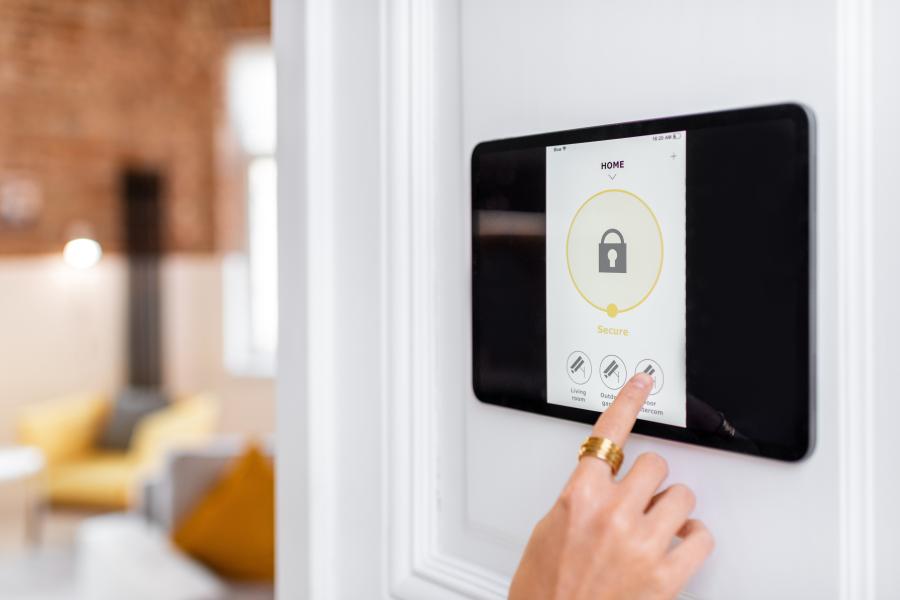
| Locks and entry security | Deadbolt/Smart lock/Keypad | Are locks rekeyed between guests? |
| Exit routes and lighting | Clear/Blocked | Exterior path lighting and stair safety |
How to verify safety features remotely and what documentation to request
Photos and descriptions can be helpful, but verification often requires follow-up. Ask the host for recent photos of detectors and safety devices, and for documentation such as receipts for professional maintenance, inspection certificates, or proof of recent battery replacements. Platforms like Airbnb and VRBO increasingly encourage hosts to list safety amenities; use those fields to cross-check claims. If a property advertises "verified safety amenities" or similar badges, read the associated definitions carefully—verification standards vary by platform. For properties with gas furnaces, request evidence of annual servicing, and for pools, ask about fencing and life-saving equipment. Keep questions concise and polite; how a host responds can also indicate professionalism and reliability.
What to ask hosts and which disclosures matter most
Candid host responses are one of the best predictors of a safe stay. Ask direct questions: Where are the fire extinguishers and first-aid kit located? Are smoke and CO alarms tested regularly? How are keys or smart locks managed between guests? Request clear instructions for emergency procedures and the local emergency contact numbers—don’t assume you’ll readily find these upon arrival. Also ask about building-specific risks, such as steep stairs, slippery outdoor surfaces, or known seasonal hazards (wildfire smoke, flooding). For longer stays or group trips, confirm cleaning protocols and how the host addresses maintenance issues during a guest's stay. Host safety disclosures are not just formalities; they give you actionable information to weigh against the listing price and location.
Red flags to watch for when browsing listings
Some signals indicate higher risk or a potentially dishonest listing. Vague or non-responsive hosts, missing or no photos of essential safety items, inconsistent descriptions, unusually low prices with limited reviews, or an insistence on off-platform payment are all legitimate red flags. Be cautious when listings emphasize luxury staging photos but omit basic safety details, or when a property manager declines to answer direct safety questions. Also note local regulatory compliance: certain jurisdictions require short-term rentals to meet specific safety standards; an unwillingness to clarify compliance status can be a warning sign. Trust your instincts—if something feels off during the booking phase, it’s usually easier to choose another listing than to resolve problems mid-stay.
Final steps before you confirm a booking
Before you click confirm, reconcile your checklist with the host’s responses and the listing details. If anything essential is missing—like working smoke detectors or clear exit paths—either ask for clarification or look for another property. Save screenshots of the listing, host messages about safety, and any receipts or certificates shared; these records can be useful if you need to request a refund or report an issue to the platform. Plan for contingencies: identify the nearest hospital and pharmacy, note local emergency services, and share the rental address with a trusted contact. A brief safety audit takes modest time but can prevent serious problems and make your trip more relaxing and secure. By prioritizing clear information, verified amenities, and responsive hosts, you reduce risk and make an informed choice that fits both your comfort and safety needs.
This text was generated using a large language model, and select text has been reviewed and moderated for purposes such as readability.
MORE FROM searchsolvr.com