Could Hidden Terms Be Putting Your Home Data at Risk?
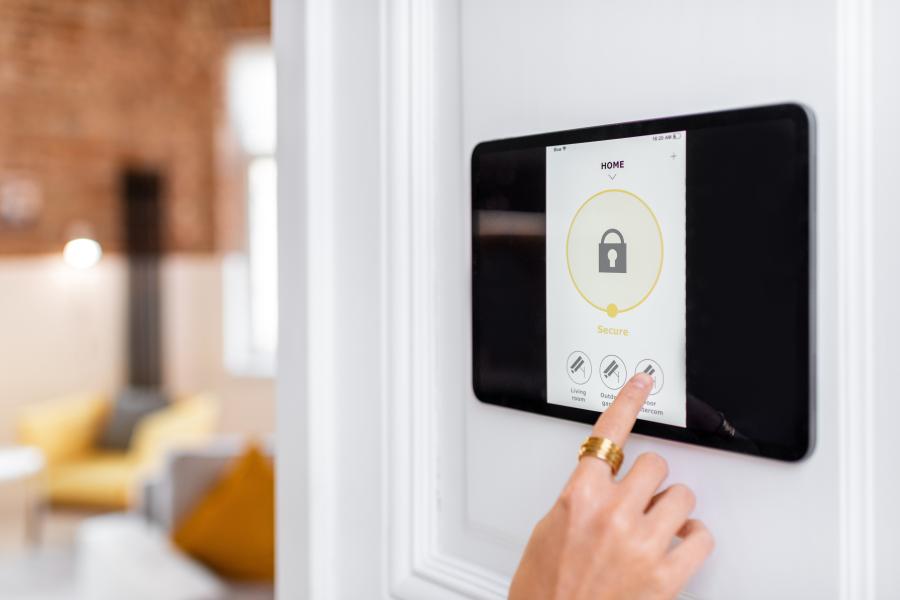
Smart home gadgets—from voice assistants and smart speakers to thermostats and security cameras—promise convenience and energy savings. At the same time, they generate continuous streams of data about your routines, conversations, comings and goings, and household preferences. Understanding the fine print of smart home device data usage matters because those clauses determine who sees that data, how long it’s retained, and whether it can be used for advertising, research, or sold to third parties. Consumers often skim privacy policies and terms of service, assuming default protections; the reality is more complex, and the decisions you make when setting up devices can affect long-term privacy in ways you might not expect.
What kinds of data do smart devices collect and why it matters
Smart home products collect a mix of metadata and content: voice snippets, video footage, location coordinates, device identifiers, usage logs, and even aggregated patterns like temperature preferences. Manufacturers justify IoT data collection for functions such as improving device performance, enabling cloud features, and providing personalized experiences. But the same data that powers convenience can be repurposed—sweetening ads, informing product development, or supporting analytics sold to partners. Knowing whether your smart speaker keeps voice recordings, how long a home camera stores footage in cloud storage, or whether a smart thermostat logs precise occupancy patterns is the first step in assessing risk and negotiating your comfort level with connected convenience.
How companies articulate data use in privacy policies—and common red flags
Privacy policies and terms of service vary widely in clarity. Common language to watch includes broad phrases like "to improve our services," which can be interpreted to permit internal analysis or sharing with affiliates. Clauses that permit "de-identified" or "aggregated" data sharing deserve scrutiny: de-identification is not foolproof, especially for granular IoT datasets. Also pay attention to retention windows (how long data is kept), whether data is stored locally or in the cloud, and explicit permissions for selling data. These documents often contain sections about third-party access, cross-border transfers, and whether law enforcement can obtain data—each of which changes the practical privacy posture of a product.
Hidden clauses and typical permissions—what to watch for
Some device agreements conceal operationally significant permissions in dense legal language. For example, an opt-in for "enhanced features" may enable continuous audio upload rather than just local command processing. Another area of concern is the ability to share data with "service providers" or ad partners without naming them. Below is a concise table summarizing recurring clauses and their practical implications so you can quickly compare products during purchase or setup.
| Clause or Permission | What it typically allows | Potential Consumer Impact |
|---|---|---|
| Data retention terms | Specifies how long voice/video logs and metadata are kept | Longer retention increases exposure to breaches or subpoenas |
| Third-party sharing | Permits sharing with advertisers, analytics firms, or partners | May lead to targeted ads or sale of behavioral profiles |
| Cloud-only features | Requires uploading data to vendor servers for functionality | Reduces local control and increases reliance on vendor security |
| Law enforcement access | Describes response to subpoenas or warrants | Data could be disclosed with limited notice to users |
| Data anonymization language | Promises to anonymize before sharing | Anonymized data can often be re-identified when cross-referenced |
Who might access your home data beyond the device maker
Access can extend well beyond the manufacturer. Third-party cloud hosts, analytics vendors, advertising networks, contractors handling customer support, and government agencies may all be able to view or request data. APIs and integrations—used to link devices to smart home platforms—create additional vectors where data flows to other services. Even within a company, data teams and engineers typically need access for debugging or training machine-learning models. If a policy allows for data sale or broad sharing, your home’s activity patterns could end up in unexpected places, potentially linked with other datasets to create a detailed behavioral profile.
Practical steps to reduce exposure when using smart devices
There are concrete controls you can use to limit risk: review and change privacy settings during device setup; disable features that require continuous cloud processing if possible; opt out of data sharing and marketing when offered; enable local storage for cameras when supported; and prefer devices that offer end-to-end encryption. Keep firmware updated to close security vulnerabilities, use strong unique passwords and two-factor authentication for accounts, and segment IoT devices on a separate network to limit lateral access. When researching products, compare vendors’ stated encryption practices and data retention policies to favor companies that minimize collection and prioritize device encryption for smart homes.
Evaluating smart home privacy requires active choices and informed comparison. Reading the fine print reveals how manufacturers define permissible uses—information that directly affects whether your data stays local, is used to train algorithms, or is shared with third parties. By prioritizing vendors with clear, narrow data-use policies, choosing local processing where available, and exercising available privacy controls, you can retain convenience while reducing unnecessary exposure. Being mindful now helps prevent surprises later and puts control back in the hands of household decision makers.
This text was generated using a large language model, and select text has been reviewed and moderated for purposes such as readability.
MORE FROM searchsolvr.com